



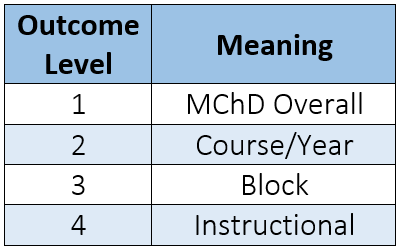
Level 3 Learning Outcomes – Block 6 (Haematology, Oncology, Immunology, Infectious Diseases)
Outcome 3.6.1: Describe the anatomy of the haematopoietic, lymphatic and genitourinary systems and discuss and analyse the disease states that affect these systems.
Outcome 3.6.2: Describe the anatomy, histology, and pathophysiology of human haematological and solid malignancies in the context of typical clinical presentations; explain how tumours escape immune recognition.
Outcome 3.6.3: Discuss the role of cellular components of the immune system and molecular signals including complement during acute and chronic inflammation; explain the basis of hypersensitivity reactions.
Outcome 3.6.4: Describe coagulation, thrombosis and haemostasis; explain the pathogenetic basis of hematologic disease and identify the pathways amenable to pharmacologic intervention.
Outcome 3.6.5: Dxplain the principles of blood typing; the transfusion of blood and blood products, and transfusion reactions; outline the principles of alloreactivity, tissue typing and graft versus host disease.
Outcome 3.6.6: Interpret basic haematology and coagulation test results and apply these in the context of typical clinical presentations.
Outcome 3.6.7: Outline the stages in the development of haematological diseases, blood-borne infectious diseases, and interpret epidemiological studies in understanding the burden and risk factors for these diseases and discuss relevant preventive strategies, including immunisation.
Outcome 3.6.8: Interpret epidemiological studies in understanding the burden and risk factors for cancer and discuss relevant preventive strategies.
Outcome 3.6.9: List the classes and explain the mechanisms of action of anti-coagulants, anti-cancer (including targeted therapies), anti-viral, anti-fungal and anti-parasitic agents; outline the principles of radiotherapy for treatment of cancer.
Outcome 3.6.10: Discuss the skin microflora, nosocomial bacterial pathogens, infections by atypical bacteria, antibiotic resistance mechanisms and transfer, biofilms and abscesses; describe the steps in identification of these pathogens in the laboratory.
Outcome 3.6.11: Discuss infections by retroviruses, particularly HIV, and understand the basis for identification of HIV in the laboratory; describe arboviruses.
Outcome 3.6.12: Describe the common infections caused by fungi, helminths and protozoa and the life cycle and laboratory identification of these pathogens.
Outcome 3.6.13: Apply evidence based medicine, scientific methods and understanding of behavioural, cultural and social factors to develop and critically evaluate new knowledge.
Outcome 3.6.14: Explain and apply concepts of medical negligence, professional misconduct, and professional responsibilities while working in multidisciplinary teams.
Outcome 3.6.15: Compare, deconstruct, extrapolate, relate, and organise their knowledge of ethical, legal and human rights principles relevant to medical practice both generally and specifically. Areas of knowledge for mastery include core concepts from Year 1 plus their application to issues in drug addiction and practitioner well-being, whistleblowing and professional conduct and community responsibilities in relation to health system inequity and injustice (conscientious objection by both practitioners and patients).
Outcome 3.6.16: Apply the tools of population health to questions concerning health and disease relating to haematology, infectious disease and oncology.
Outcome 3.6.17: Further develop clinical reasoning skills in Problem Based Learning cases through the integration of information from lectures, practicals and clinical skills, and consideration of population health and social aspects of disorders of the haematopoietic system, infectious diseases, and solid malignancies.